How To Start A Private Label Skin Care Line in 2026 [Expert Tips]
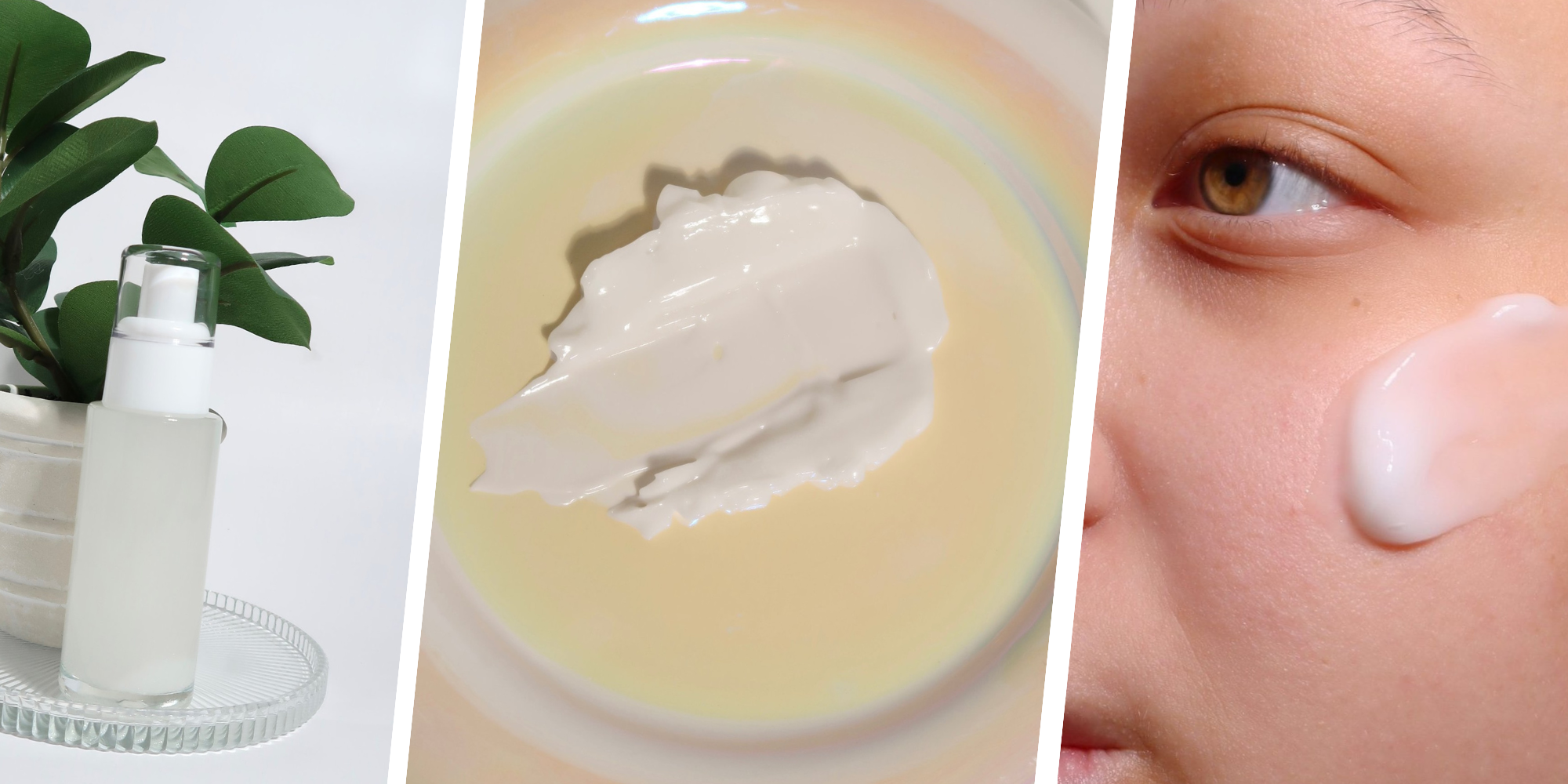
Starting a private label skin care line can feel daunting for new cosmetics brand owners.
When you’re facing rising costs, an endless list of labs to choose from, and hundreds of formulas that look identical on the surface, it’s difficult to know how to build your new skin care line the right way.
Innacos is here to help!
Our in-depth guide below explains everything you need to know about launching a high-performing private label skin care line in 2026 and beyond.
We discuss the current state of the skin care market, why private label makes sense in today’s economic climate, and the top five factors you should consider to make sure your skin care line truly stands out.
Why Skin Care?
During the 2020 pandemic, there was a noticeable shift in beauty spending from color cosmetics to skin care as people stayed indoors and built pampering self-care routines.
The momentum continued, and skin care products are still one of the best-performing cosmetics categories well into the middle of the decade.
According to Fortune Business Insights, the global skincare market size was valued at $115.65 billion in 2024, with a projection to grow to $194.05 billion by 2032 - a CAGR of 6.84%.
Skin care is one of the biggest segments of the cosmetics market overall. McKinsey’s recent beauty market analysis projects that skin care will account for 40 percent of the beauty sector’s total market value over the next five years.
Importantly for new founders, private label is especially strong within the skin care category. Grand View Research reports that skin care held the largest revenue share (41.7%) of the private label beauty market in 2024.
Beauty consumers are far more informed than they were a decade ago. They understand that ingredients and formulation quality matter far more than the brand name when it comes to getting results.
Private label allows smaller and new brands to bring high-quality formulas to market - without the inflated price tag associated with many high-end beauty brands.
With the right lab partner and by choosing the right products, you can create a high-performing skin care line with excellent ingredients at a much lower cost by choosing the private label route.
What Is Private Label?
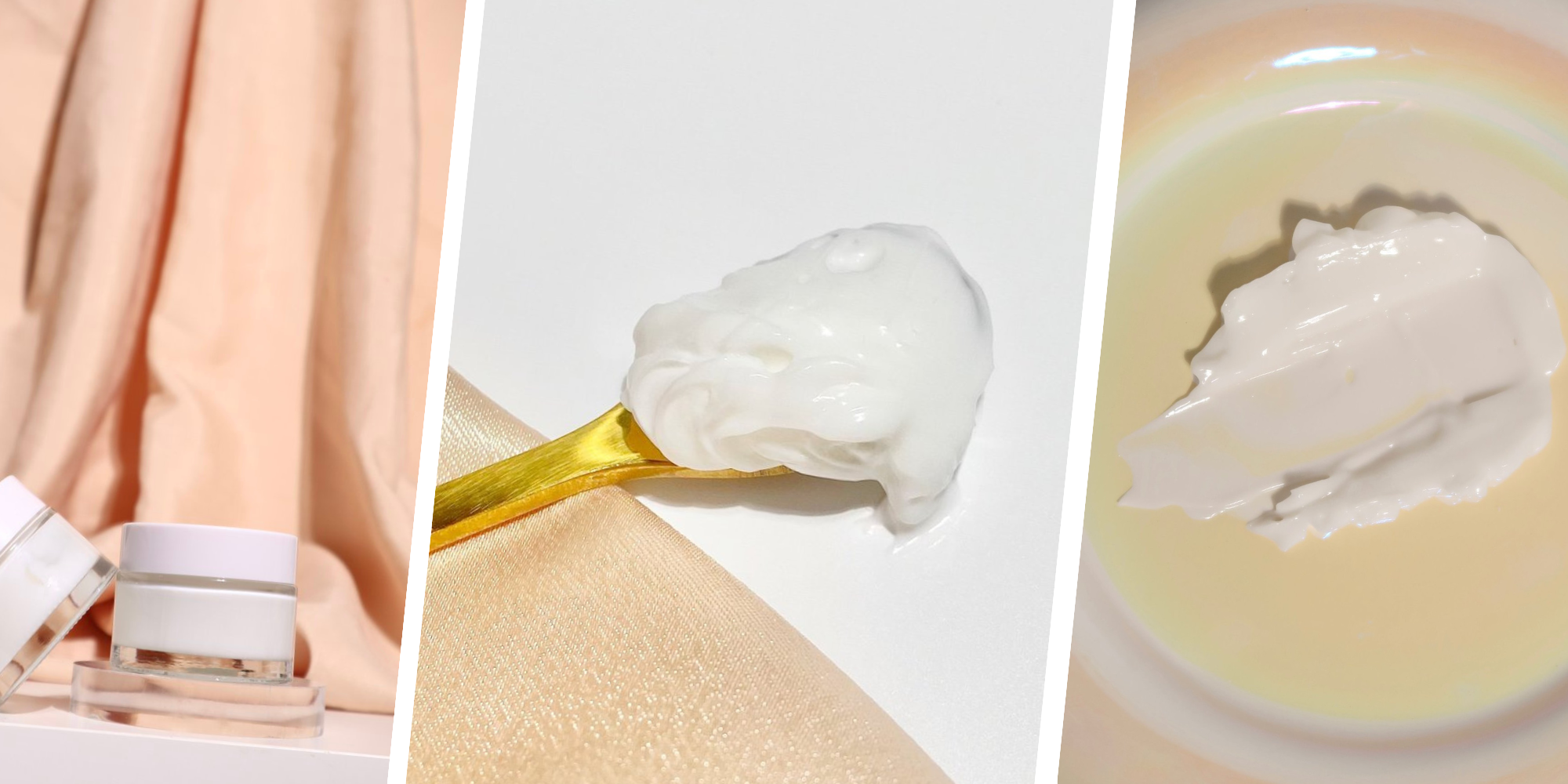
Private labeling involves adding your own customized branding to a lab’s preformulated product.
If you’re new to the industry, it might be surprising to learn that many luxury launches and celebrity/influencer brands are actually manufactured through private labeling. It’s far more common than people think.
According to Customcy, private label beauty product sales reached $3.8 billion in 2024 (up 4% y-o-y) with growth particularly high in women’s fragrances, hair conditioner, and bath fragrance products.
As explored in Grand View Research’s report, in the current economic climate, consumers are increasingly open to buying from non-household names. Millennials and Gen Z are looking for affordable, high-quality alternatives to premium products.
This provides a huge opportunity for smaller brands that can partner with high-performing labs and offer a very high-quality skin care line at a much more affordable price. In fact, 64% of Gen Z and 67% of Millennials report buying more dupe products, which highlights this trend toward value-driven purchasing.
At Innacos, we have over 60 different clean, cruelty-free, and sustainable private label products to choose from. Learn more about our private label service in our catalog here and order samples directly on our website here.
Pros
Private label is the fastest and most cost-effective method to bring your skin care line to market.
In the current economic climate, saving money on formulating and R&D costs without compromising on quality is key, as many other areas of running a cosmetics brand are becoming increasingly expensive.
Packaging, for example, often costs more than the formula itself. This can be the real differentiator between luxury and budget brands.
Plus, marketing costs add up. Health and beauty brands average a high CAC (customer acquisition cost) of around $127, according to Amra and Elma.
Brand marketing consultant Stacey Levine tells Beauty Independent that indie beauty brands typically spend between 10% - 20% of their annual revenue just on marketing alone.
With private label, you avoid a large chunk of the R&D costs, formulating costs, as well as speeding up the entire process, so you have more of your budget to invest in the sales-driven parts of the business much faster.
Cons
The major downside of private label is that none of your formulas will be unique. You can’t customize any element of the formula beyond the color or the fragrance.
Other brands can sell the exact same formula under their brand name, so you need to work harder on your brand identity, marketing, packaging, and overall customer experience to stand out.
Additionally, you will not own the formula IP. This means you can’t take a private label formula from one lab and formulate it with a different lab.
Alternatives to Private Label
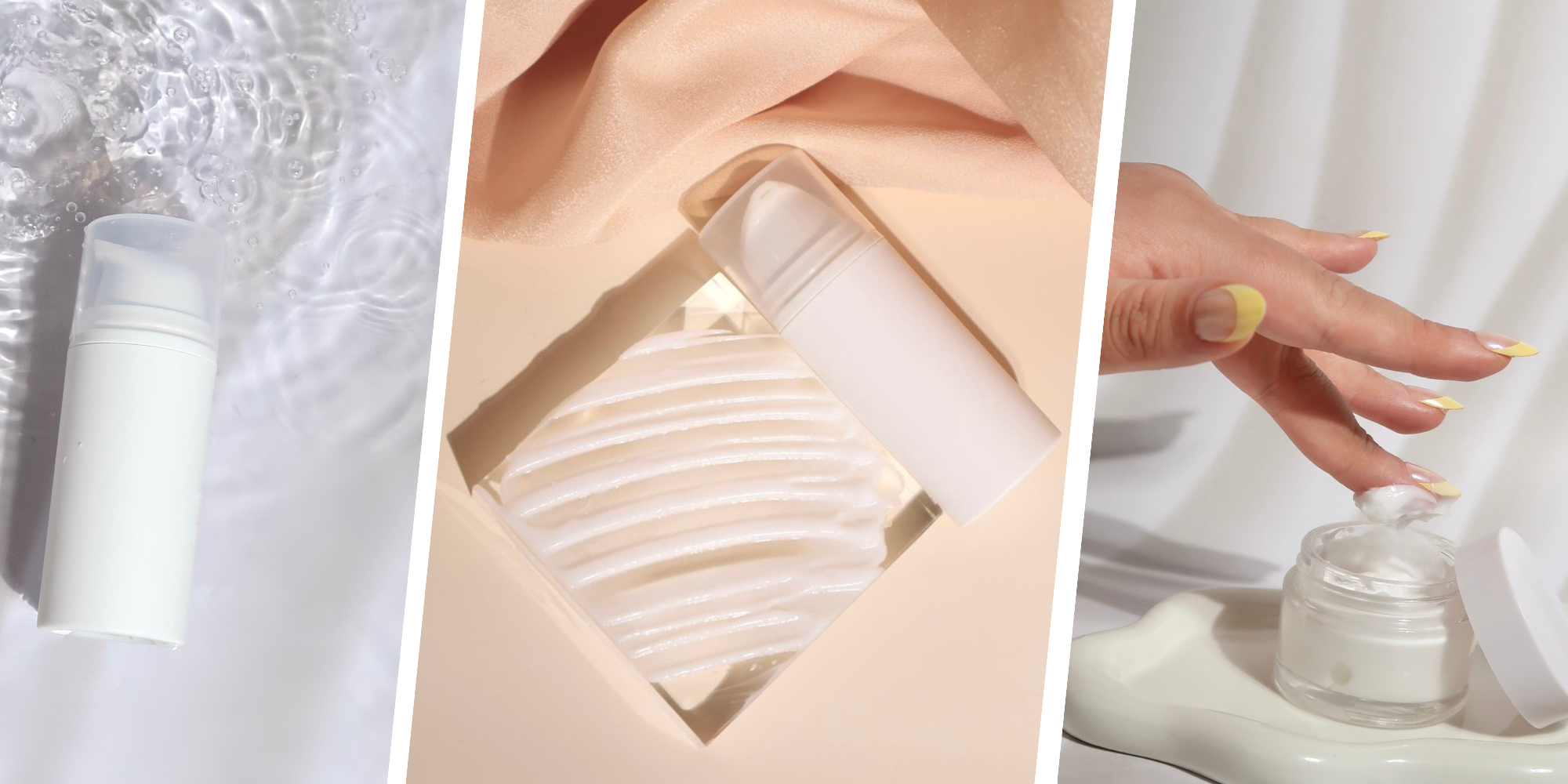
If you can’t find ready-to-go formulas that perfectly match your brand vision, consider trying a customized formulating solution instead.
Custom Formulating
This method involves working with a team of highly trained chemists to create brand-new innovative formulas from scratch.
Although the end result can be something truly revolutionary to the market, it’s by far the most expensive and time-intensive manufacturing method of all.
At Innacos, we specialize in new-to-market concepts and formats, novel chemical research, hybrid products, and turning skincare clean. We offer up to 200% of formulating fees back in the form of manufacturing credits. Learn more about our custom formulating service on our website here.
Custom Product Creation
If custom formulating is out of reach, a strong compromise between preformulated and fully customized products is custom product creation.
This method involves adding a limited number of ingredients on top of a lab’s base formula. It works best when you’re looking to add a carefully considered ‘hero’ ingredient or two to a formula to make it your own.
Although it’s not as highly customized as custom formulating, it is considerably less expensive and time-consuming.
At Innacos, our nominal custom product creation fee is $2,500 per product, and we offer up to 150% of your formulating fees back in the form of manufacturing credits. Learn more about our custom product creation service on our website here.
Choosing Your Private Label Formulas
Once you’ve established that private label is right for your brand, it’s time to select your manufacturer and your product range. Learn more about choosing the right private label manufacturer in our blog post here.
The following five factors are essential to make the right product picks:
1. Product Variety
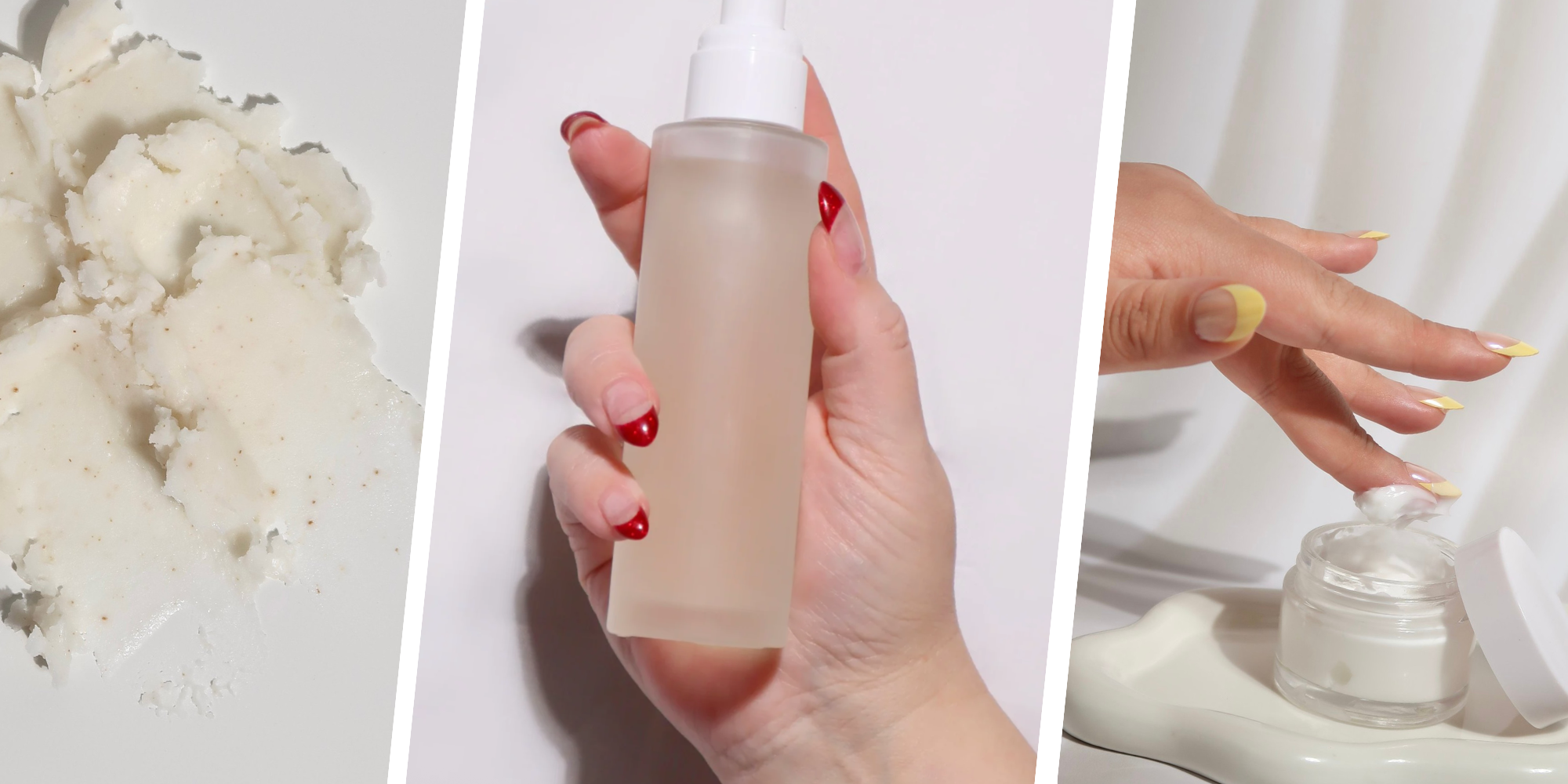
Consider how each product works together in a full skin care routine. Ideally, you want to choose products that could be bundled together.
If you are working on a limited budget, it can make sense to focus on a smaller selection of products for one particular skin type or core skin concern at the initial stages. Once the sales come in and you start to get feedback from the market, you can expand your range from there.
At Innacos, we offer a range of different types of products on a private label basis - making it easy to build a bundled skin care line that feels unique to your brand. Order samples across our skin care categories on our website here.
2. Trend Awareness
New brands can gain traction in the industry by hopping on up-and-coming trends. Stay informed about the latest ingredient innovations and keep up to date with new product drops across a large selection of the skin care industry.
Look for potential gaps in the market and seek out private label skin care lines that can fill those gaps. Making the right picks can create viral potential for your brand. Plus, using trendy ingredients can also allow you to charge a higher mark-up due to the level of customer demand.
At Innacos, we are consistently innovating and releasing new private label drops that hop on trends and incorporate emerging ingredients.
For example, our range includes a unicorn serum, bacne spray, prebiotic K-drama essence, and an anti-blue light serum. Check out our full private label range here.
3. Clean Beauty
Consumers in 2026 and beyond aren’t just concerned about the quality and effectiveness of their skincare - they also look for reassurance that your products are safe.
Choose manufacturers that are truly ‘clean’: whose private label skin care lines meet the strict Credo and Whole Foods clean beauty standards.
Look for products that qualify for certifications to provide reassurance that your products aren’t full of ‘nasties’ and other potentially harmful ingredients.
At Innacos, we are proudly clean as standard. We choose to formulate our products without over 2,000+ potentially harmful ingredients that just should not be in skin care. Learn more about our clean standards on our website here.
4. Ethical Issues
Modern consumers care about how skin care products are made.
Consider the origins of the private label product from crop to factory:
Were all workers along the supply chain fairly compensated?
Is the formula cruelty-free and vegan?
Does the lab take actions to create a more sustainable supply chain?
Consumers are more aware than ever about the ethical issues involved in purchasing fast-moving consumer goods, especially beauty shoppers.
At Innacos, ethical and sustainable sourcing and manufacturing are central to our business.
Many of our products are vegan in addition to being cruelty-free and clean, and we also have a purposefully diverse team, with over 18 languages spoken in total. Learn more about our operations on our website here.
5. Cost
There’s no avoiding the fact that cost plays a huge role in product selection and lab choice. Run the numbers and set a clear budget, calculate your margin early, and vet labs carefully.
Don’t just pick the cheapest option if the quality isn’t up to scratch. Choose the manufacturer and the private label skin care line that provides the best value for money you can possibly find.
At Innacos, we formulate products to match virtually any budget range. We offer low MOQs and 4 different private label tiers from diffusion to super luxury to meet your business where it’s currently at and help you scale up in the future. Learn more about our pricing structure in our catalog here.
In sum, building a successful private label skin care line involves the following key steps:
Understanding the current state of today’s skin care market
Researching the pros and cons of private label and deciding on the best manufacturing method for your brand and current stage of business
Choosing the best lab and picking your products based on the following five criteria: product variety, trendiness, clean beauty, ethical issues, and cost
Looking to launch your own private label skin care line? Innacos would love to work with your brand! Get in touch via email: customerservice@innacos.com or call: (812) 329-1105 to learn more.