Private Label Skincare Products For Beauty Brands [Full Guide]
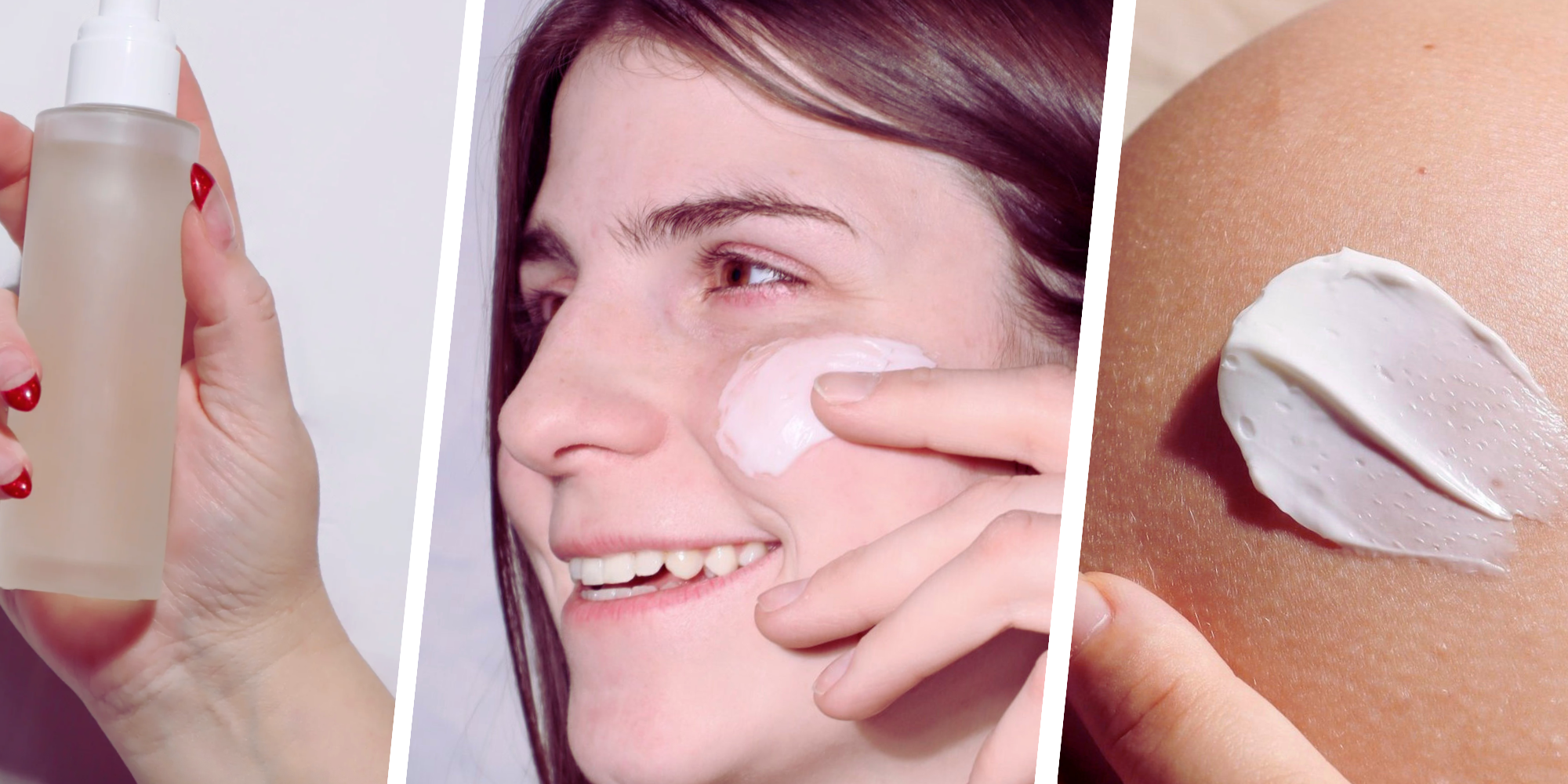
Private label skincare products are the secret to meeting consumer demand without sacrificing your margins.
Beauty consumers are laser-focused on value for money, and private label makes it possible to deliver value at an affordable price.
But when brands take the wrong approach, they end up with products no one really wants, or locked into labs that can’t support long-term growth.
So, how can a skincare brand approach private label the right way?
Innacos is here to help!
Our in-depth guide below explains how to approach private label skincare in today’s market.
We cover the forces driving consumer demand, how private label compares to other manufacturing methods, and the five key criteria that determine whether a private label skincare lab is the right choice for your brand.
Consumer Sentiment in 2026 & Beyond
In 2026 and beyond, value for money matters to beauty consumers more than ever.
As Cosmetic Business discusses, in Q1 2025, mass market beauty outperformed prestige beauty for the first time in years: increasing by 3% compared to just a 1% increase in the prestige category.
Kearney’s 2025 Prestige Index report found that almost half of beauty consumers rank efficacy and value as their top purchase drivers - with fewer than a quarter caring about the legacy of a brand name.
Dupe culture is on the rise: the same report found that over half of respondents actively swap premium products for dupes that they believe work just as well.
The resurgence of mass beauty is happening in a context of increasing economic uncertainty. Consumer sentiment in the US dropped to 50.3 in late 2025, according to Finimize, the lowest recorded on the index since mid-2022.
Beauty brand founders are feeling this impact, with Glossy reporting that 54% of beauty execs claim restricted spending is the current number one risk to industry growth.
But skincare consumers aren’t buying on price alone. Emarketer explains that, unlike most other industries, beauty consumers view product quality (36.9%) as almost as important as price (39.6%) when making beauty purchase decisions.
In 2026, pricier products are no longer assumed to be higher in quality. Circana revealed that only 14% of American beauty buyers in 2025 believed that higher prices truly indicate superior quality.
2026’s skincare consumer is obsessed with value for money, not simply finding the cheapest option possible.
Beauty execs are feeling this sentiment at the top. 75% of executives surveyed by Beauty of Fashion/McKinsey’s report expect increased consumer scrutiny around perceived value to be the biggest theme shaping the industry in 2026 and beyond.
The current outlook is good news for smaller brands that can compete on value by offering genuinely high quality formulas at a more accessible price point. And there’s one manufacturing strategy above all else that makes this possible: selling private label skincare products.
What Are Private Label Skincare Products?
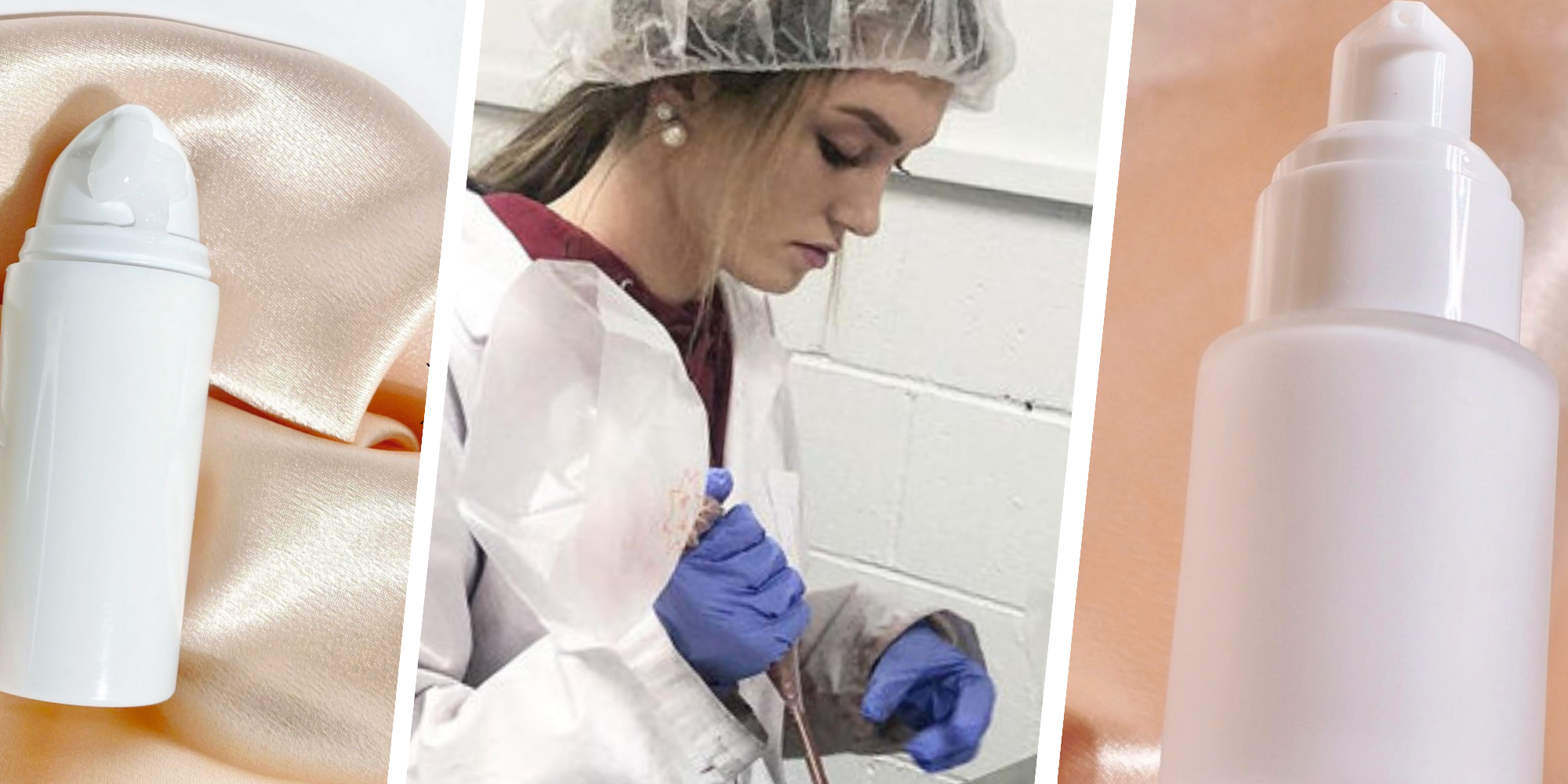
Private labeling is a manufacturing method that involves adding your own customized branding to a lab’s preexisting formula.
Unlike custom formulating or custom product creation, no adjustments are made to the lab’s base formula, which has both pros and cons for your business.
The biggest upside is that private label skincare is much more budget-friendly to manufacture.
Some of these cost savings can be passed on to the consumer without lowering the quality of the product. As discussed above, offering great value for money is critical in 2026 and beyond.
Additionally, it’s much quicker to go to market under private label manufacturing compared to customized methods like custom product creation or custom formulating.
However, because private label skincare products are standardized and made in advance, the only customization options are changing the scent or the color.
Other brands can sell the exact same formula under their own name. This means your product and lab selection, market positioning, and promotion strategy are especially important for success.
Additionally, you will not own the intellectual property (IP) rights to the formula. Unlike under customized methods, you cannot take that exact formula to another lab and ask them to recreate it.
You will need to select a new private label formula or move to custom formulation. For this reason, choosing the right manufacturer is crucial. If the product performs well on the market, you’re committing to working with that lab for as long as you sell it.
Not sure whether private label is the right manufacturing method for your brand? Learn more about the pros and cons of each method and take our manufacturing method quiz here to find the right fit for your stage of business.
Building A Private Label Skincare Line
Once you've decided that private label is the right manufacturing route for your brand, your next task is getting clear on your vision for your skin care line.
The success of your launch will depend heavily on the lab you choose. Before reaching out to potential manufacturers, consider the types of products you want to sell, the price range, and the brand values you need each product to embody.
This clarity will dramatically improve your chances of finding a good partner.
Questions to consider include:
Are you looking to launch a simple 3-step routine or a more extensive range?
Does your brand target a specific skin type or demographic?
Are there specific skincare actives you want to feature?
Are you positioning as budget-friendly, masstige, or premium?
Does your brand require clean, vegan, cruelty-free, or sustainable formulations?
Judge your shortlist of potential brands based on the following five criteria, then choose the lab that ticks the most boxes:
1. Range Of Products
Look for a manufacturer that offers a wide enough selection of high-quality private label skincare products to support both your initial launch and future growth.
If your vision includes a full evening routine with active ingredients like retinoids, but a lab only offers basic cleanser and moisturizer formulas through private label, it’s not a good match.
At Innacos, we offer an extensive range of private label skincare products, with over 60 different formulas to choose from. This includes essential products, highly effective actives, and more specialized products that are much harder to find anywhere else.
Our categories include: cleansers, serums and oils, moisturizers and creams, treatments and masks, ferments and probiotics, essences and mists, exfoliants and scrubs, bodycare, and eye care. Learn more about our full range and order samples directly from our website by clicking here.
2. Ingredient & Formula Quality
As discussed above, consumers are laser-focused on value for money in 2026 and beyond. They’re willing to try newer, less established brands - but only if the formula truly justifies the price.
Read the full ingredients list of every single product you’re considering for your range before locking into a contract.
Order plenty of samples from your shortlisted suppliers and consider value for money rather than hyper-focusing on just the price or just the quality alone.
For example, at Innacos, we believe transparency is key, and we’re so confident in the quality of our formulas and ingredients that we publish the full ingredients list for every single private label product directly on its page.
Plus, we highlight key ingredients within every formula in the product description to make the process as easy as possible for founders at all stages. Browse through the full formula and ingredients of every single product and order samples directly on our website here.
3. Ethics & Aligned Values
Is your brand clean, cruelty-free, vegan, or sustainable? Your private label skincare products must be, too.
This is where lab selection is vitally important. Beyond the formula itself, you need to understand how the lab manufactures its private label range and how it operates as a business.
If your brand puts ethical values front and centre, those values must be reflected throughout the entire supply chain from start to finish.
At Innacos, we specialize in clean, cruelty-free, ethical, and sustainable skincare for beauty entrepreneurs.
Most of our private label products match the strict clean standards set by Credo and Whole Foods, and we list the relevant clean, cruelty-free, or vegan certifications and standards on every product page. Review the ethical status of each and every private label skincare product directly on our website here.
4. Budget
Consumers are increasingly conscious of value for money, and you need to follow suit.
The cost of doing business is becoming more and more expensive.
According to Deloitte, customer acquisition costs rose between 25-40% in Q1 of 2025 alone, squeezing margins even further. Brands need to make cost savings where possible - without compromising on quality.
Start by calculating your maximum product budget first. Order samples that fit within this range. Once you find products you like, estimate your margins based on full net cost estimates, including packaging, logistics, and marketing.
Assess whether the ingredients and formula performance are genuinely impressive relative to the total cost.
At Innacos, we sell high-quality preformulated skincare across a range of different budget tiers. You can order in bulk and fill your packaging in-house, or choose our private label service, where we handle the full filling process for you.
We offer four different tiers of high-quality preformulated product to suit a range of budgets: diffusion (from $1/oz), mass market (from $2/oz), luxury (from $3/oz), and super luxury (from $5/oz).
Plus, we have a low minimum order quantity MOQ of just 1k pc per SKU to support early stage brands. Learn more about our four different tiers of high quality private label skincare products in our full catalog here.
5. Flexibility
Because private label manufacturing ties you into working with one lab for a given formula, flexibility matters. Consider if a potential lab is easy to work with, transparent, and has the capabilities necessary to help scale your business over time.
At Innacos, we pride ourselves on our flexibility and on finding solutions for every client, tailored exactly to their wants, needs, and pain points.
We offer fast quote turnaround times (up to 10 times faster than the competition), and a wide range of manufacturing options, from preformulated to semi-custom, full custom, and contract manufacturing.
Plus, we currently offer the most generous loyalty program for custom manufacturing in the industry - with up to 200% of your formulating fees back when you lock in to a long-term custom manufacturing relationship with us. Learn more about our flexible services on our website here.
In sum, private label skincare products are particularly well-suited to the 2026 economy and beyond:
Today’s consumers are primarily focused on value for money - private label skincare products are generally affordable, and you can find high-quality formulas if you pick the right labs
However, as private label formulas are standardized, brands need to be particularly careful with selection and focus more on marketing to stand out
Finding high-quality private label labs that offer genuine value for money involves vetting suppliers based on the following criteria: range of products, ingredient and formula quality, budget, ethical and aligned values, and flexibility
Ready to partner with a lab and sell your own range of clean, cruelty-free, and sustainable private label skincare products? Innacos would love to work with your brand! Learn more by calling: (812) 329-1105) or emailing: customerservice@innacos.com