Private Label Vegan Skin Care: Is It Right For Your Brand?
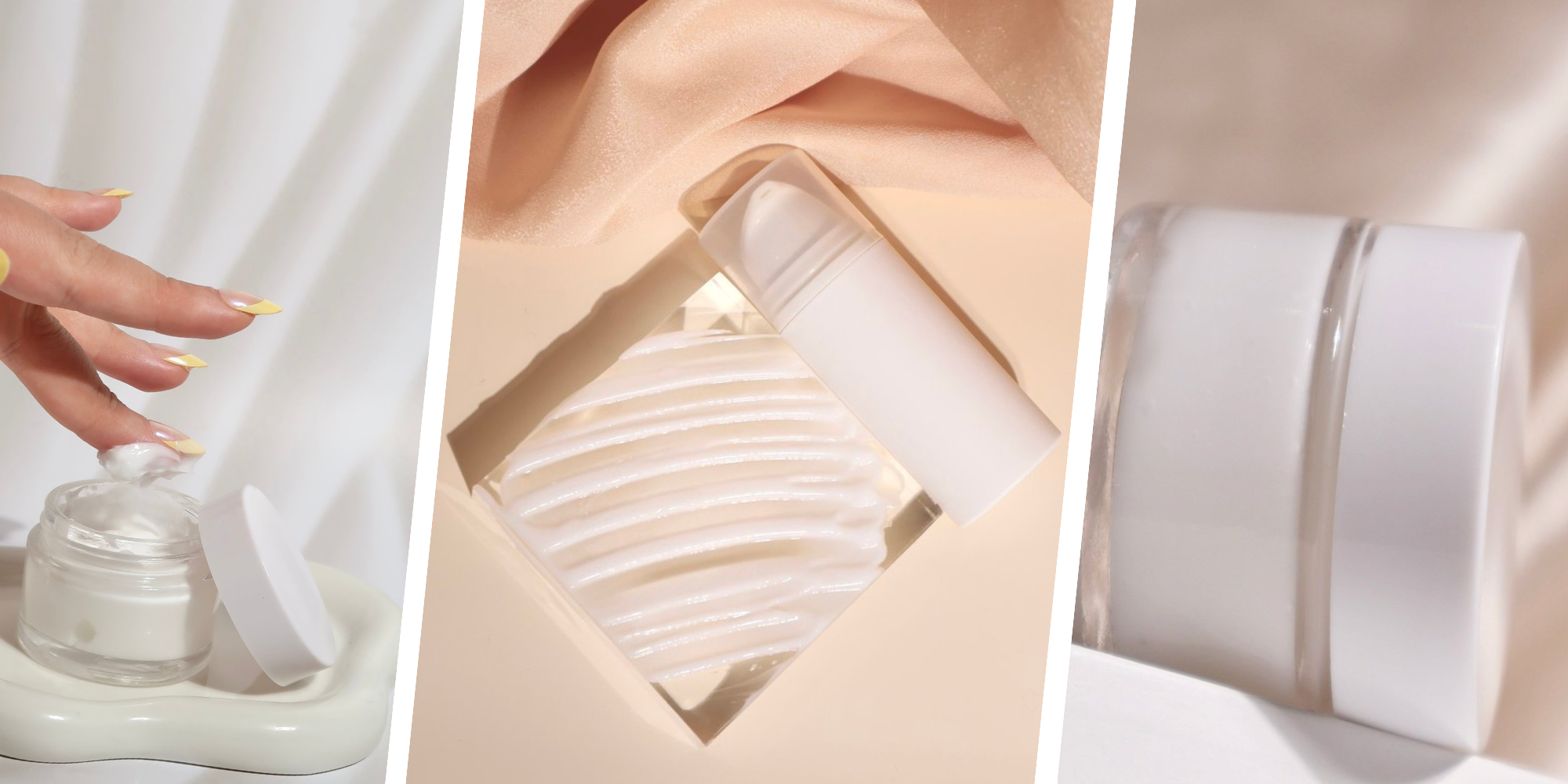
Private label is a fast, budget-friendly route to enter the vegan skin care niche - but it’s also easy to take the wrong turn.
When every formula is pre-made, how can you be sure it’s truly 100% animal-free?
And when you’re limited to vegan products, how do you find options that go beyond the basics - ones with innovative ingredients that actually stand out?
Innacos is here to help!
Our in-depth guide below outlines everything you need to know about private label vegan skin care in 2025 and beyond.
We discuss the current market for this niche, the pros and cons of private label versus customized methods, and the five key factors to look for when choosing the right lab for your brand.
The Market For Vegan Skin Care In 2025
Before you search for the right vegan private label products, it’s important to understand the definition of ‘vegan’ and how it differs from the related term ‘cruelty-free’.
Vegan skin care products are those that are made from plant-based and synthetic ingredients only, with no animal-based ingredients or animal byproducts involved in production.
On the other hand, cruelty-free skin care products are products that are not tested on animals at any stage of development.
While these ethical manufacturing practices often go hand in hand, they are not the same.
A product can be vegan and not cruelty-free (for example, a plant-based serum that was tested on animals), or non-vegan and cruelty-free (if it was not tested on animals but does contain an ingredient like honey or lanolin).
The Strengths & Weaknesses of Choosing Vegan Skincare
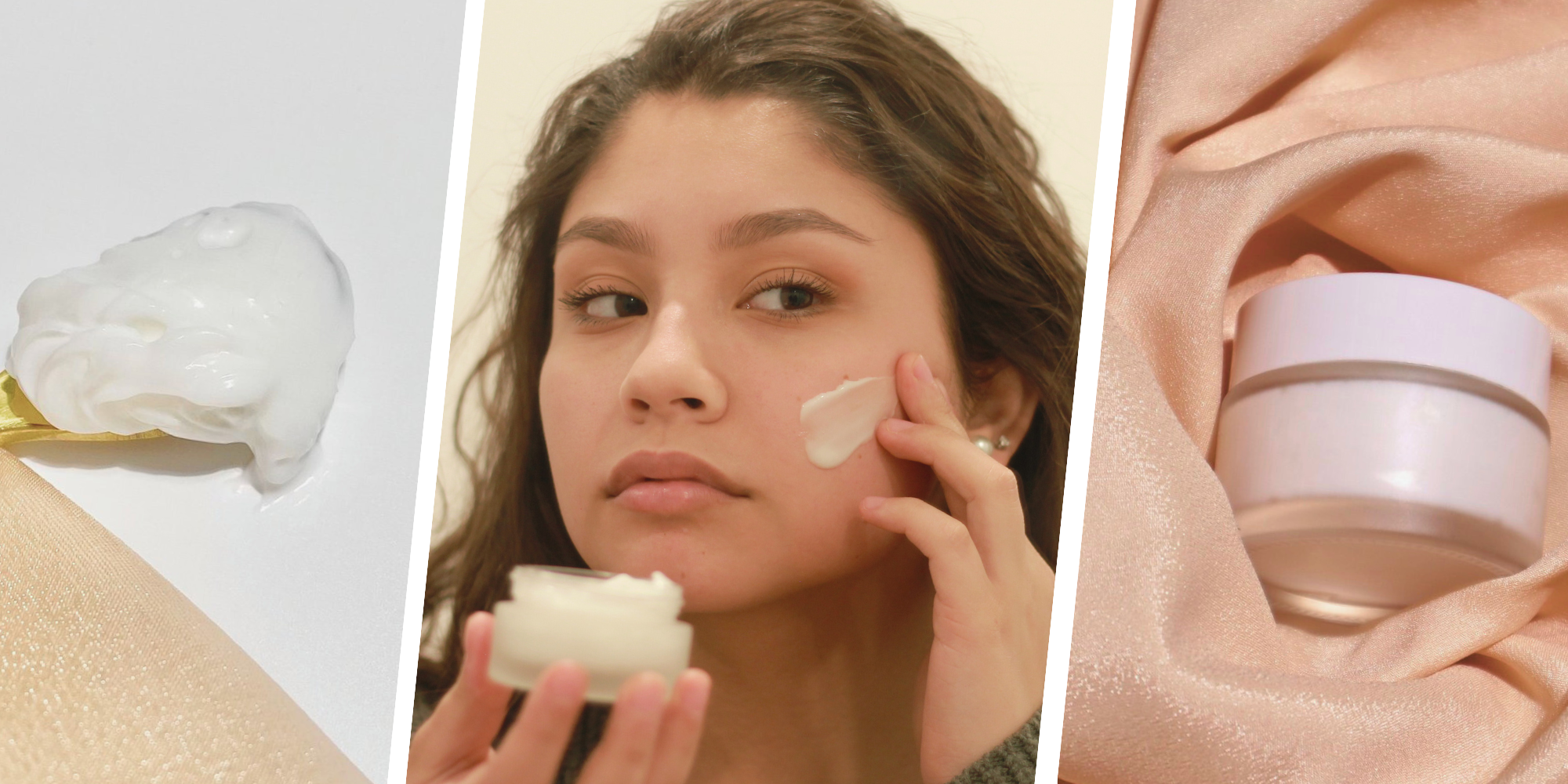
According to Fortune Business Insights, the global market for vegan cosmetics reached $19.21 billion in 2024, and is projected to grow to $32.56 billion by 2032 - a CAGR of 6.85%.
Although the popularity of vegan makeup and skin care is growing in the United States, Europe continues to dominate the vegan cosmetics market, with a market share of 33.84% in 2024.
While it’s relatively easy to find a broad range of private label skin care products that can legally be marketed as ‘cruelty-free’, committing to a fully vegan line can be more restrictive.
At the same time, promising 100% vegan skin care can be an important ethical stance depending on your personal perspective, and it’s also a good way for your brand to stand out.
The consumer base for vegan skin care is likely wider than you think. Although Statista reports that only 4% of the US population is vegan, animal-free skincare is popular with a broader audience that has stricter ethical standards for cosmetic products.
For example, a survey by Cosmetify found that 39% of British women who only buy vegan beauty products are not actually vegan.
The Animal-Derived Trend in 2025 and Beyond
However, taking a vegan stance comes with challenges in the current beauty climate.
While cruelty-free is becoming the norm, with the proposed ‘Humane Cosmetics Act of 2023‘ aiming to make cruelty-free a legal standard in the US, many trending products in 2025 revolve around non-vegan ingredients.
For example, Vogue Business notes a return to animal product consumption in wellness communities, and reports that Traackr measured an increase of up to 180 percent in the keyword ‘beef tallow skincare’ in 2024.
Think about how many trending products include snail mucin, keratin, beeswax, honey, or collagen. All of these ingredients are off-limits in vegan skincare.
Thankfully, innovations at the manufacturing level are catching up. Labs are now able to develop synthetic versions that are just as effective and appear almost identical to these animal-derived ingredients - without compromising on any ethical standards.
Sourcing 100% Preformulated Vegan Skincare
If you’re formulating from scratch, creating vegan skincare is straightforward: simply let your manufacturer know that all of the ingredients and processes must be 100% vegan-compliant in advance.
However, when you’re sourcing preformulated private label product, the process is more complicated.
You need to carefully examine the ingredients list of each product to make sure no animal products or animal byproducts were involved in production. Be sure to ask your supplier for verification that the formula is 100% vegan before signing any contract.
While you can’t hop on the tallow or snail mucin trend (unless you source synthetic versions), vegan skin care can be a very lucrative niche.
Making it work requires strategic product selection and partnering with the right lab that can deliver innovative, highly-effective formulas without resorting to animal-derived products.
At Innacos, we provide over 60 skin care products on a private label basis, many of which are vegan, cruelty-free, clean, and sustainable. All of our vegan formulas are clearly marked with the vegan badge on each product page. Check out our full product range and order samples on our website here.
Sourcing Private Label Vegan Skin Care
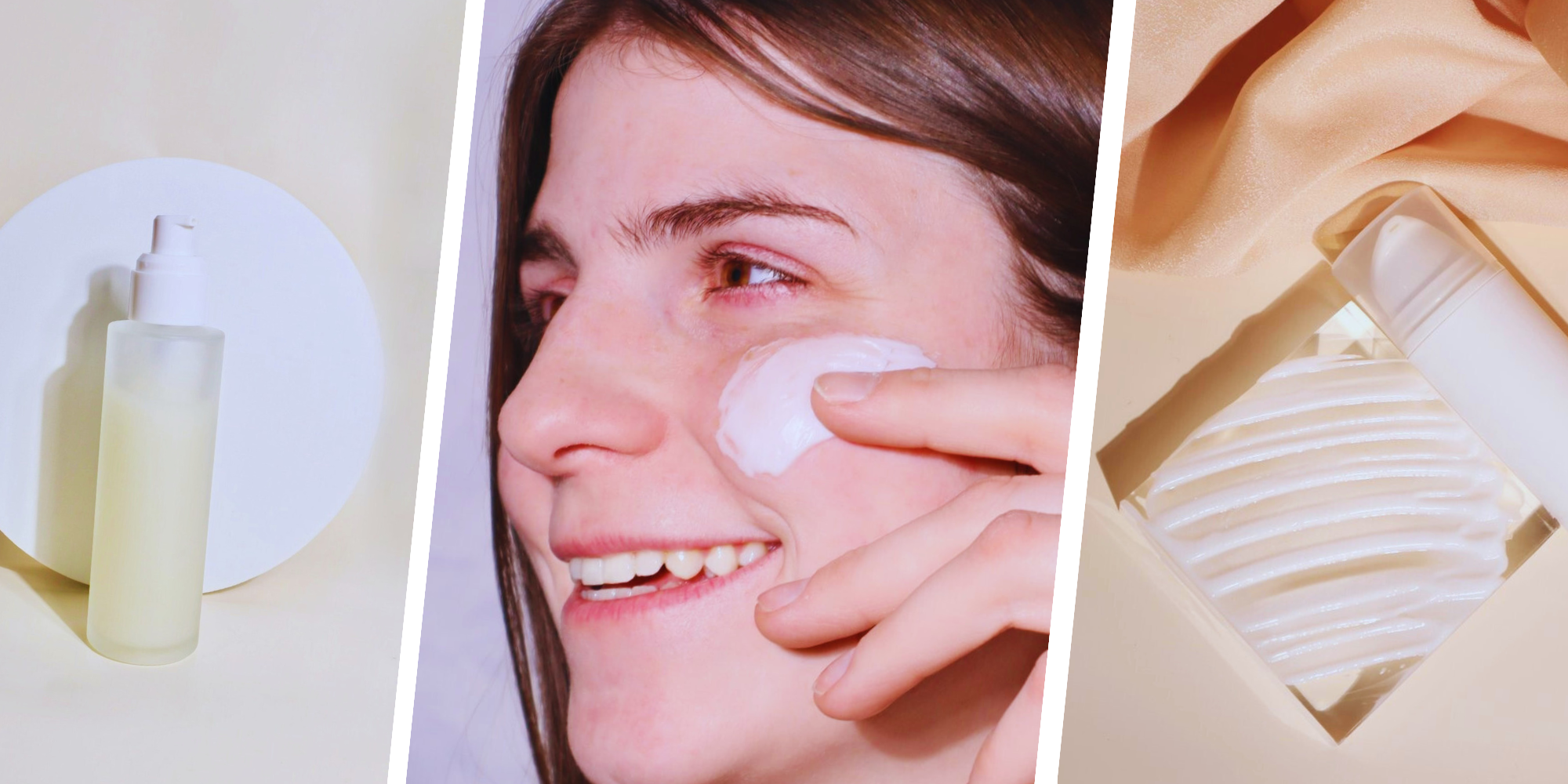
Now that you have a snapshot of the market for vegan skincare in 2025 and beyond, it’s time to talk manufacturing. Before you commit to the private label path, it’s important to consider all of your options to make sure it’s the right one for your brand’s specific needs.
Private Label
First, let’s get clear on the definition of private label. Private labeling involves adding your own customized branding to a lab’s pre-formulated product.
Many new skincare brands begin with private label, as it’s typically the quickest and least expensive manufacturing method.
However, it’s harder to stand out, as other brands can sell the exact same formula - and you won’t own the intellectual property.
At Innacos, we have over 60 private label skincare products to choose from. Learn more about our product offering, vegan options, and pricing structure in our catalog here.
Customized Vegan Skin Care
If you want your vegan skincare formula to be unique to your brand, you’ll need to choose a customized method instead. There are two main customization paths to choose from.
Custom Product Creation
This process involves adding a limited number of ingredients on top of a lab’s base formula. It’s the middle ground between private label and full customization. Although it’s not as quick or inexpensive as private label, with the right ingredient choices, you can make your formula genuinely stand out.
At Innacos, our nominal CPC fee is $2,500, and we offer up to 150% of that back in the form of manufacturing credits. Learn more about our custom product creation service on our website here.
Custom Formulating
If you have a truly unique idea for a vegan formula that you can’t find anywhere else, custom formulating is the manufacturing method for you.
This process involves working with a team of highly specialized chemists to create brand new vegan skin care from scratch.
Although it can result in a product that generates its own hype, it is the most expensive and time consuming route of all.
An advantage of custom formulating is that, since you’re designing the formula from the ground up, ensuring the formula is 100% vegan compliant is straightforward.
At Innacos, we specialize in novel chemical research, new-to-market concept/product formats, hybrid products, and clean formulas.
MOQs start at 2k pcs, and we offer up to 200% of our formulating fees back in the form of manufacturing credits. Learn more about custom formulating on our website here.
How To Choose The Right Vegan Private Label Skin Care Lab
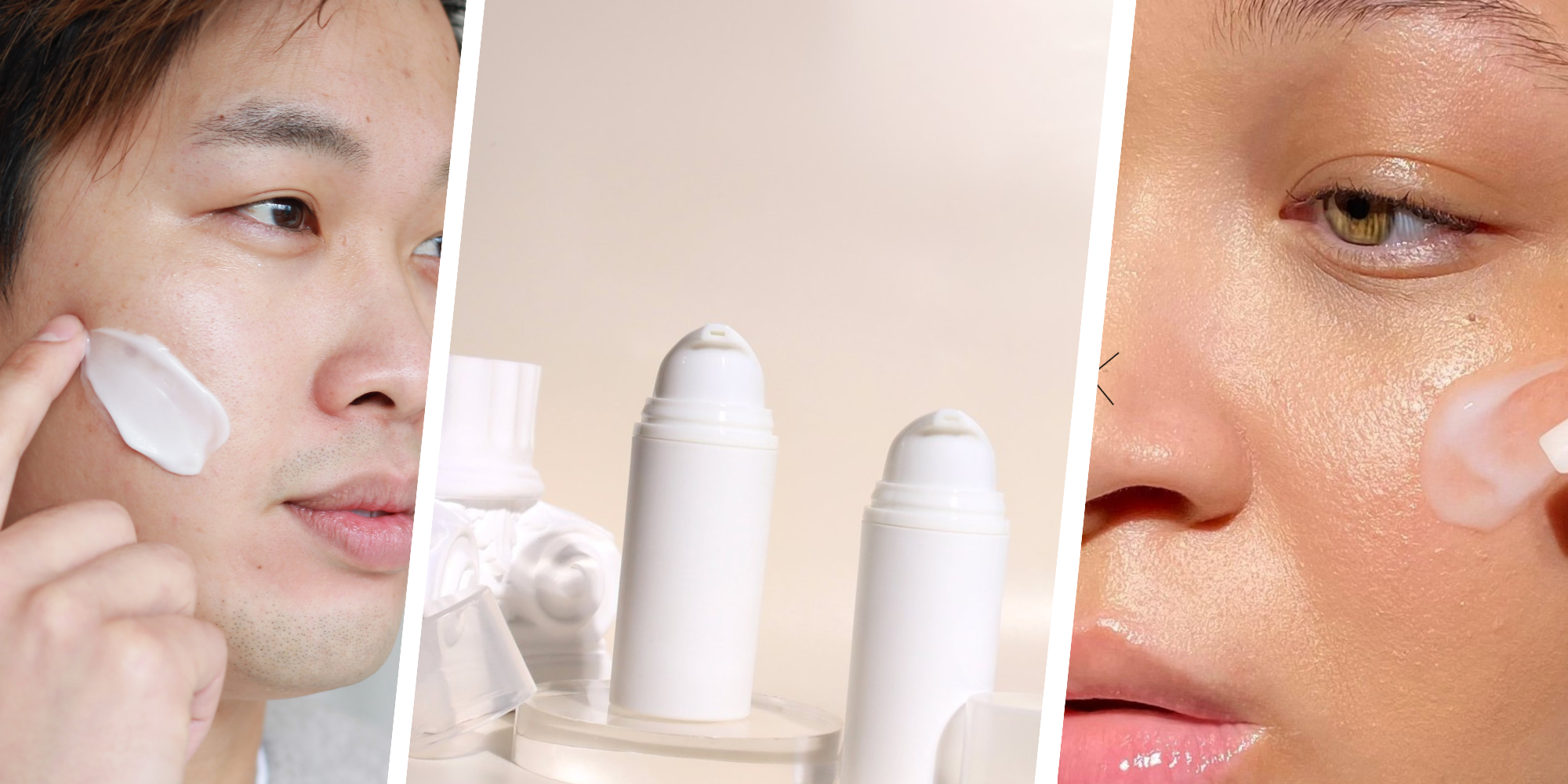
If you’ve confirmed that private label is the right step for your brand, your next task is to find the right manufacturer.
Your supplier can make or break your launch, so it’s not a decision to take lightly.
Use the following five step criteria to find the best option for you:
1. Range of Vegan Formulas
Look for labs that offer a range of 100% vegan formulas - not just one or two basic options. Always verify that every single ingredient is genuinely vegan and properly documented.
At Innacos, we offer a broad range of innovative vegan formulas (each marked by the ‘V’ label on our product pages) on a private label or bulk basis. Order samples directly from our website here.
2. Other Ethical Concerns
Consumers looking for vegan skincare often expect brands to consider other ethical issues. Work with cruelty-free, clean, and sustainable manufacturers where possible.
At Innacos, we are proudly clean, cruelty-free, and sustainable. Many of our private label formulas already qualify for cruelty-free and vegan certifications. Learn more about certifications and standards on our website here.
3. Innovations with Ingredients
You can’t join the animal ingredient trends, but your products should still feel modern and innovative where possible.
Look for labs that innovate plant and synthetic ingredients through biotech and upcycling. For example, Caudalie’s star ingredient resveratrol was extracted through upcycling the waste produced in vineyards.
At Innacos, innovating plant-based and synthetic ingredients is at the heart of our business, including upcycling, ingredient creation, and custom fragrance blends. Learn more about what’s new and now at Innacos here.
4. MOQs & Price
Quality comes first, but margins matter. Look for labs that provide high-quality vegan products with lower minimum order quantities (MOQs) and with scalable pricing structures.
At Innacos, we’ve kept our MOQs and pricing strategy as flexible as possible to accommodate brands of every single budget and phase. Learn more in our full private label catalog here.
5. Location
Working with US-based labs makes communication easier and shipping faster. Plus, ‘Made in the USA’ can also be a key selling point to customers.
At Innacos, we are proudly headquartered in Bedford, Indiana, where we manufacture all of our vegan private label products. Learn more about Innacos here.
In sum, finding high-quality private label vegan skin care involves the following key steps:
Researching the current state of the vegan skincare market and understanding the strengths and weaknesses of committing to a 100% vegan brand
Understanding the pros and cons of private label skincare compared to customization methods like custom product creation and custom formulating
Once you’ve committed to the vegan niche and chosen the private label method, it’s time to find a manufacturer
Use the following five step criteria to find the best lab: range of vegan formulas, other ethical concerns, innovations with ingredients, MOQ & price, and location
Ready to source your own private label vegan skin care? Innacos has a range of innovative preformulated products that are 100% vegan, clean, and cruelty-free. Learn more about your options by calling: (812) 329-1105 or emailing: customerservice@innacos.com