How To Select Private Label Products For Your Beauty Brand [Full Guide]
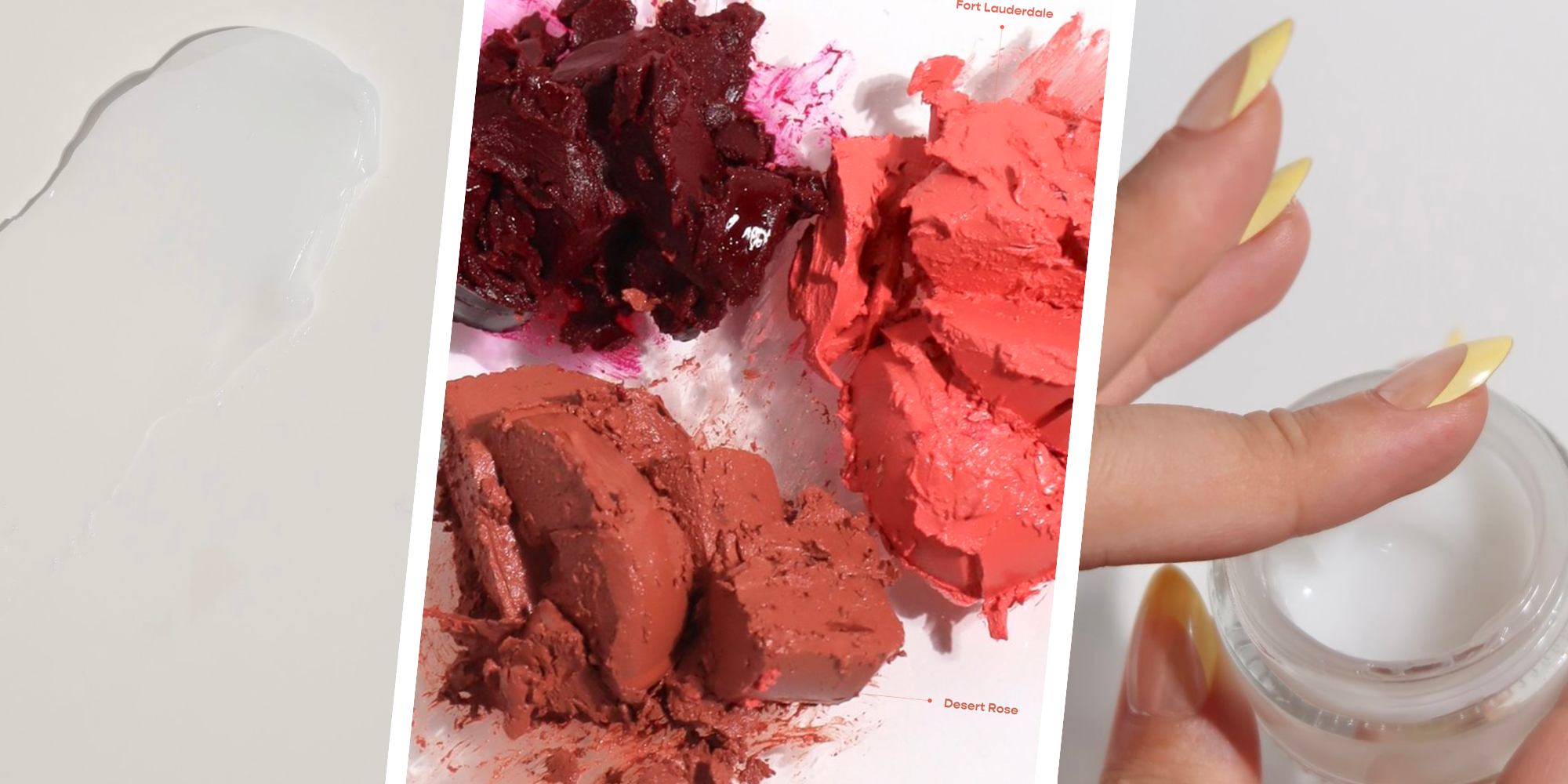
How you select private label products can make or break your cosmetics brand.
With hundreds of potential labs, endless SKUs, and trendy “must-haves” launching every day, choosing the right products for your brand is more difficult than ever.
So how do you find the few standouts that perfectly match your brand’s goals and appeal to your target market?
Innacos is here to help!
Our in-depth guide below breaks down everything you need to know about the private label selection process in 2026 and beyond.
We discuss how to tell if private label is the right move, the reverse engineering strategy that will help you identify the right products, and the key differences between choosing color cosmetics compared to skin care.
Why Private Label?
Private label is a cosmetics manufacturing method that involves adding your own customized branding to a lab’s preformulated product.
It’s one of the most popular manufacturing routes in the beauty industry because it’s by far the least expensive and quickest way to get to market.
It’s particularly common with first-time founders, as private label generally comes with much lower MOQs compared to custom methods, and you don’t need deep formulation expertise to get started.
Plus, it’s a great way to test demand, both for your brand as a whole and for particular SKUs before scaling up or investing heavily in custom formulation.
Unlike custom product creation or custom formulating, private label offers very little flexibility. Aside from small adjustments to the scent or color, the formula is already developed in advance.
Plus, you won’t own the IP (intellectual property) of the product, meaning you can’t take the same formula to another lab or reproduce it independently.
At Innacos, we provide a wide range of manufacturing methods to suit any brand's needs - including bulk/private label, custom product creation, custom formulating, and contract manufacturing. Not sure what’s the right move? Take our quiz here to find the best method for your particular business.
Getting Product Selection Right Is Critical
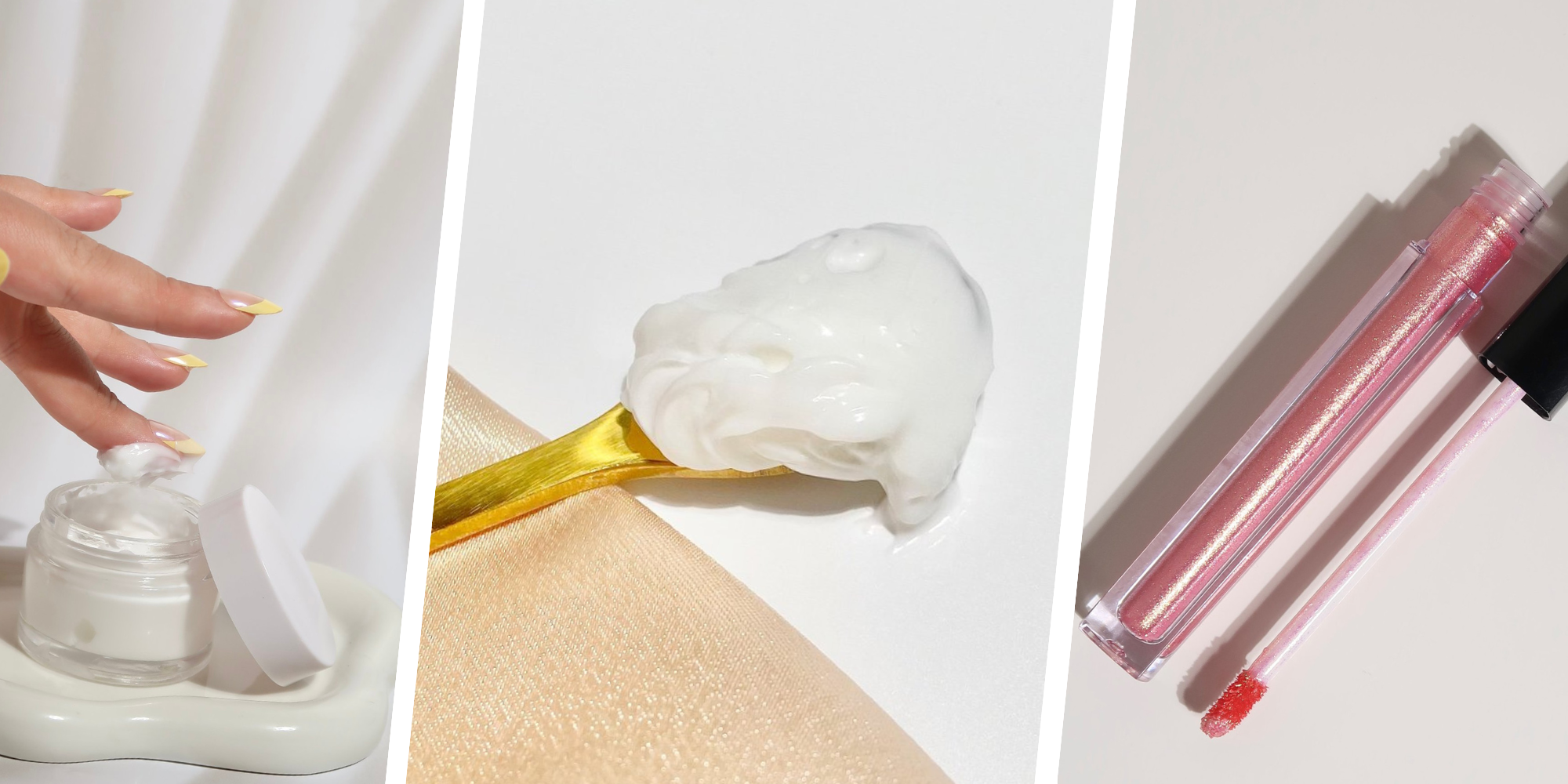
The private label selection process is not as simple as choosing a top-rated lab and running with their best sellers.
Yes, best sellers can be a signal of baseline quality. However, when a private label product is popular, that means you’ve got tons of other cosmetics brands selling the exact same formula under their own brand name.
If you haven’t mapped out why consumers should buy from your brand over others, those competitors will outpace you quickly.
Private label products should be selected in the context of your specific market positioning:
The problem you solve
Who you solve it for
The cosmetic category you specialize in
The non-negotiable ethical principles your audience expects
Don’t select any private label products until you’ve carved a clear niche and USP. Product selection should follow strategy - not the other way around.
The Planning Phase
The first step in the private label process is understanding exactly what you’re shopping for.
It’s not enough to decide you want to launch a cosmetics line and throw together a random collection of SKUs that look promising.
You need to work backwards: do your research, choose a promising niche to dominate, and select products that are a perfect fit for that particular niche.
Brand Positioning
Start by defining your brand in concrete terms, including who you do and do not serve.
A luxury skincare brand designed for busy women aged 50+ needs a completely different private label selection process compared to a budget-friendly color cosmetics brand aimed at teenagers.
Get granular. Create buyer personas based on the real demographics, routines, preferences, and expectations within your target audience. You need to start viewing the private label product selection process through their eyes, not your own.
Don’t ask “Does this formula perform well?” Ask, “Will this perform well and integrate seamlessly into my buyer persona’s routine?”
Category Focus
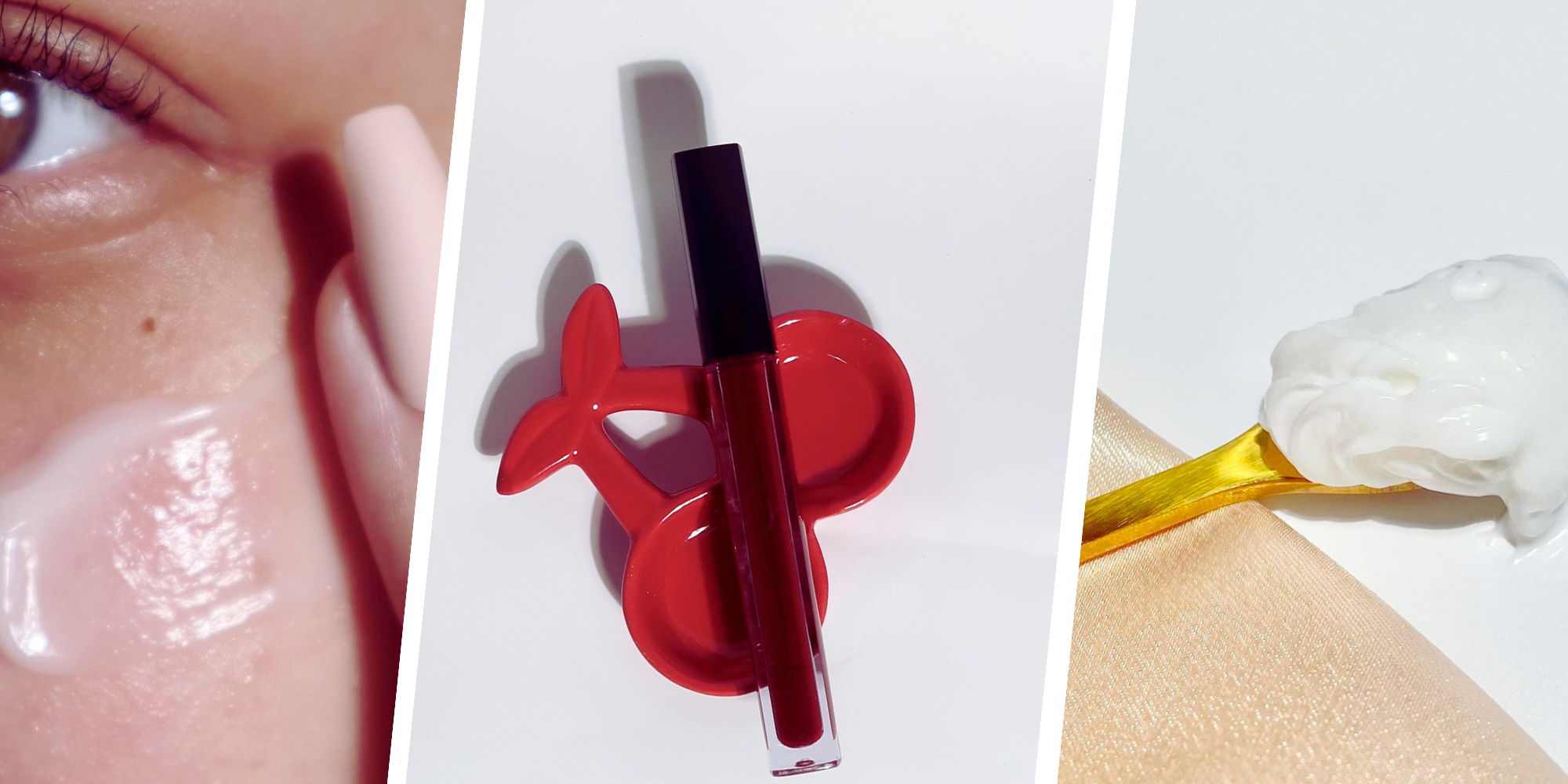
Without a clear product category, it’s easy to fall into shiny object syndrome.
You’re meant to be building a skincare line for acne-prone teens - then a new advanced anti-aging serum drops, and you can’t resist adding it to your collection.
This is how small brands end up with incoherent product ranges that don’t bundle together well.
Stay focused - only evaluate private label products that are genuinely relevant to your target market.
If you’re building a luxury skincare brand, only look at luxury skincare options. If you’re a lip product brand, evaluate labs specifically on the strength of their lip products.
Looking outside your category adds extra time, increases confusion, and often results in products that don’t align with your brand positioning.
Non-Negotiable Values
Even within the right general category, not every product will be suitable for your brand.
Get clear on your brand’s non-negotiables first and use them as a hard filter during every evaluation.
For example:
Clean formulations
Vegan and cruelty-free
Sustainability actions
If a formula fails on any non-negotiable, reject it immediately - even if it performs well or fits your category otherwise.
MOQ & Price Limits
It’s not the most exciting part of building a brand, but it’s fundamental.
Before engaging seriously with any lab, you need clarity on:
How many SKUs you’re launching with
Your realistic retail price range
Your maximum acceptable MOQ
Your true costs (including packaging, branding, marketing, and fulfillment)
Running the numbers early reduces anxiety, saves time, and prevents you from chasing manufacturers that are outside your budget at your current stage.
Not sure where to start when it comes to building a brand from the ground up? At Innacos, we offer a range of brand-building consulting services, and we offer a ‘Build Your Own Brand’ course that walks you through the process step by step.
Finding The Right Private Label Products For Your Brand
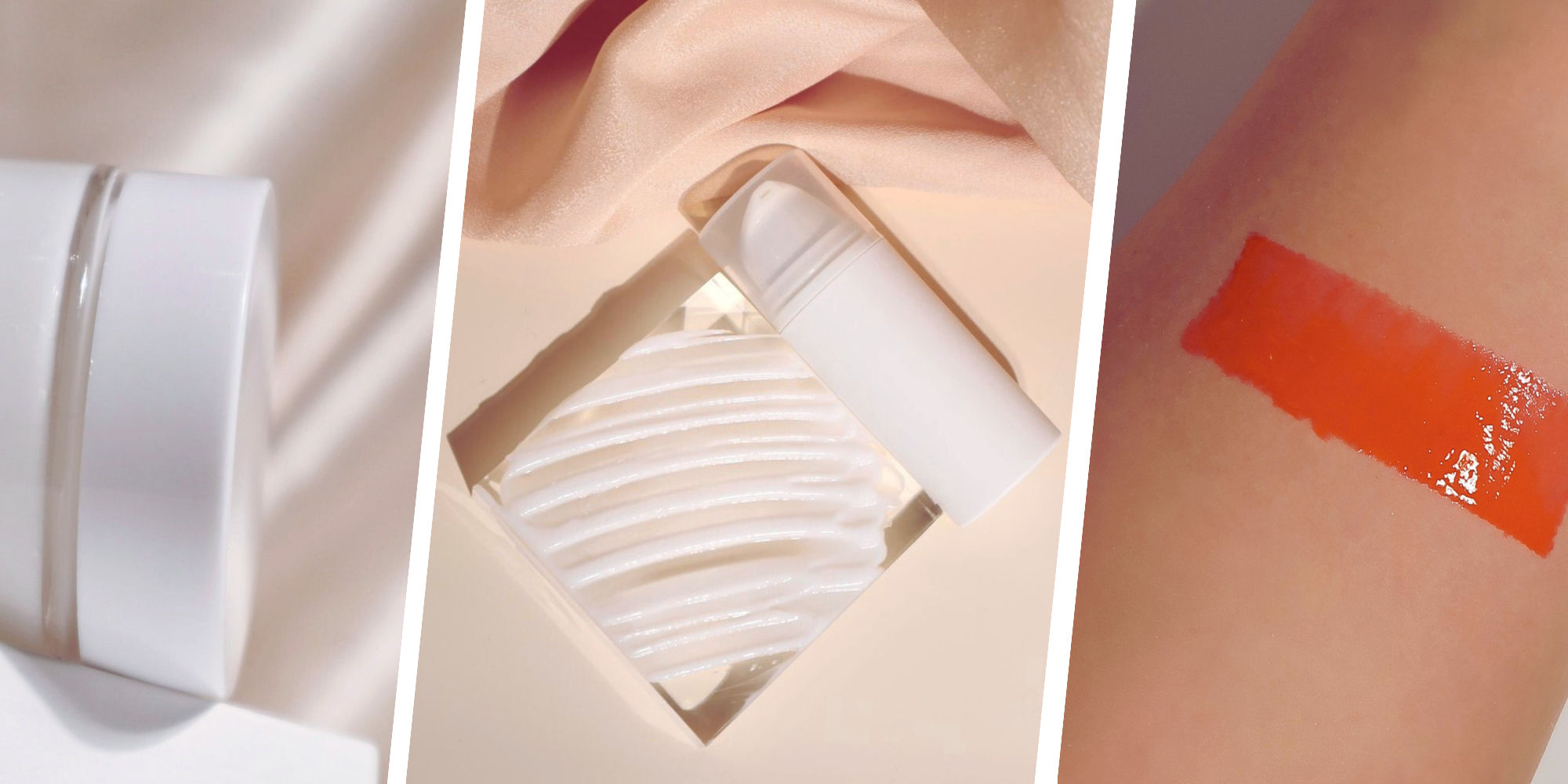
Viable Product Range
Once a lab confirms it offers private label services, review its full catalog and identify how many formulas genuinely align with your category and positioning.
That subset - not the full range - represents the realistic product line you could build with that supplier.
If only one or two products seem like a good fit, it’s typically a sign to move on to a lab with a larger range in your specific category. To learn more about selecting the right lab for your brand’s needs, read our full blog post here.
At Innacos, we offer an extensive private label range of 82 skin care and color cosmetics products across different price ranges and product types. Learn more about each product including our pricing tiers in our private label catalog here.
Testing Color Cosmetics Vs Skincare
Evaluating private label products looks very different in color cosmetics compared to skincare.
With skincare, texture, absorption, and sensory experience matter - but visible results on the skin typically take time. There’s usually a lag between first use and real improvement, which makes short-term sample testing less reliable.
In the early stages, the best way to judge a formula’s effectiveness is by scrutinizing the full ingredient list.
Ask:
Does the formula align with your ethical positioning?
Are the actives high quality and used appropriately? (For example, there are multiple forms of vitamin C, all with very different efficacy and stability profiles)
Is the formula loaded with fillers, or does it contain enough of the ingredients that are scientifically proven to improve the quality of the skin?
As you gain experience over time as a brand owner, it becomes much easier to separate the strong formulations from the average ones.
It’s also good practice to maintain a product pipeline and allow enough time for real-world testing to confirm that formulas actually deliver real skincare results over time.
Always ask the lab whether they have internal testing data, performance feedback, or documented results.
In contrast, color cosmetics should deliver immediate impact.
Consider the following when comparing private label color products:
Shade range and inclusivity
Shade accuracy (especially important for base products)
Pigment strength
Lasting power
Overall feel on the skin
In the case of color cosmetics, a small number of wear tests is usually enough to judge who the product is for, how it performs, and whether it meets your standards.
Ingredient quality still matters for color cosmetics. Beyond ethical alignment, check the ingredient list to ensure the lab isn’t cutting corners - for example, by heavily diluting pigments and padding the formula with talc or mica, leading to a weaker color payoff and patchy performance on the skin.
Be cautious about potentially comedogenic (pore-clogging) products, especially for base products. If the formula is likely to cause breakouts, be prepared for a high negative review rate and a low repurchase rate.
At Innacos, we believe transparency is key, which is why we list the entire ingredient list for every single private label product in our range.
We also highlight the key ingredients in each formula directly on each page to make the process as easy as possible for new founders. Read more about each product and order samples directly from our samples page here.
In sum, the private label product selection process works as follows:
Understanding the benefits and drawbacks of private label compared to customized methods and confirming that it’s the right next move for your brand
Drafting an extensive business plan for your brand, including your positioning, category focus, your budget, and non-negotiables, before you search for any products
Creating a list of the private label labs that fit your category, budget, and non-negotiables, and create products that appeal to your specific consumer base
Narrowing down the shortlist by the range and quality of private label products that work perfectly for your specific brand’s needs
Evaluating and sampling potential private label products, with the understanding that the process for skincare is more ingredient-focused and requires longer-term tests, while color cosmetics is more about immediate impact and lasting power
Ready to select a range of high-quality, clean, cruelty-free, and sustainable private label skin care and color cosmetics? Innacos would love to work with your brand! Learn more about our range of 82 private label products on our samples page here, and call: +18123291105, or email: customerservice@innacos.com for more information.