4 Mistakes To Avoid When Choosing A White Label Cosmetic Manufacturer
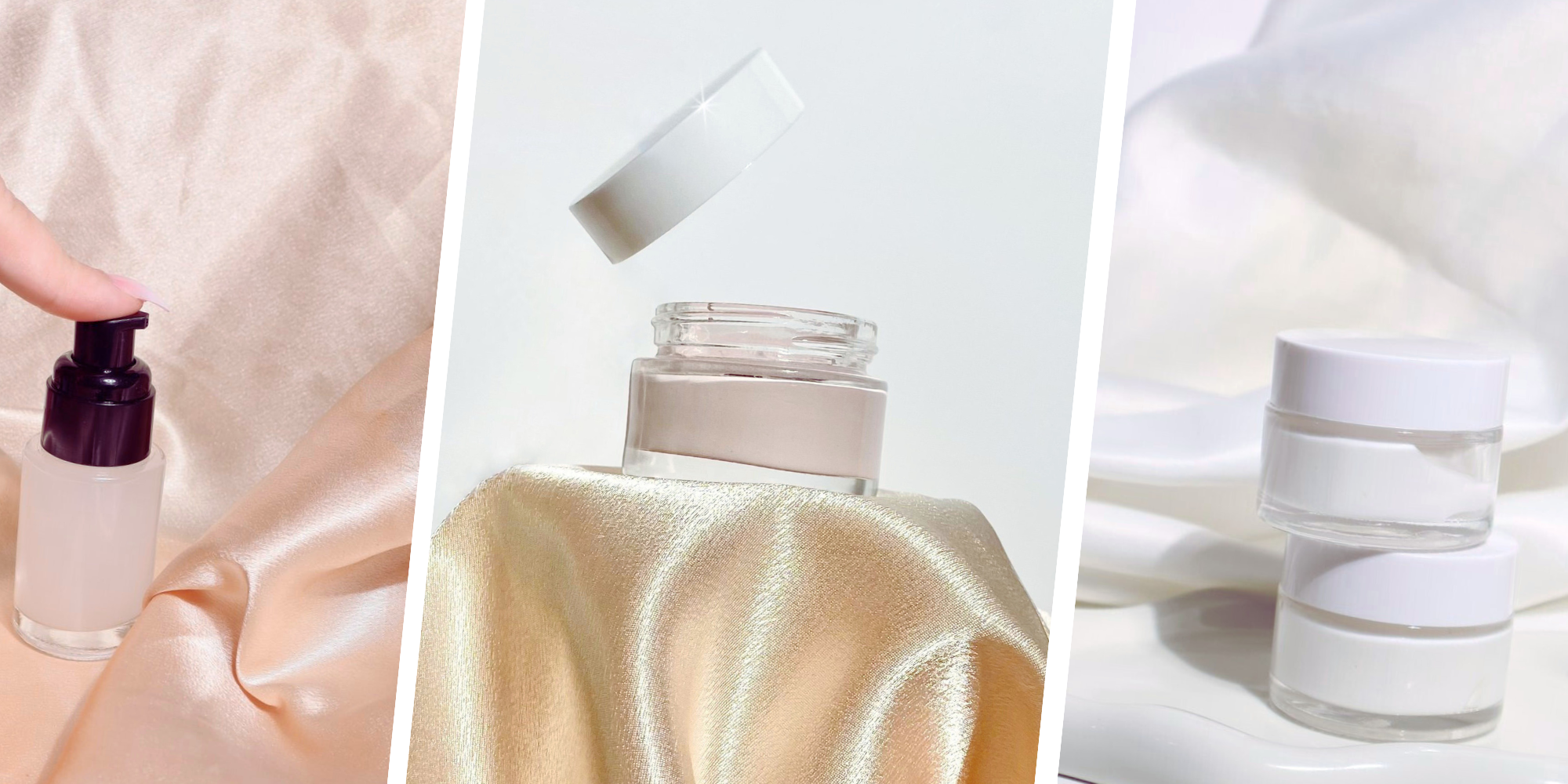
Working with a white label cosmetic manufacturer for the first time can be daunting for new beauty brands.
Between evaluating services, choosing formulas, and understanding long-term implications, it’s not always clear if you’re making the right decision or what you should prioritize.
So, how do you know you’re making the right choice?
Innacos is here to help!
Our in-depth guide below breaks down the 4 biggest mistakes that founders make when choosing a white label cosmetic manufacturer.
From planning and compliance to ingredient selection and sample testing, we cover where most brands go wrong, and the parts of the process you should spend the most time on to make sure you make the best decision for your brand.
Mistake 1: Choosing White Label Manufacturing Without Adjusting Your Marketing Strategy
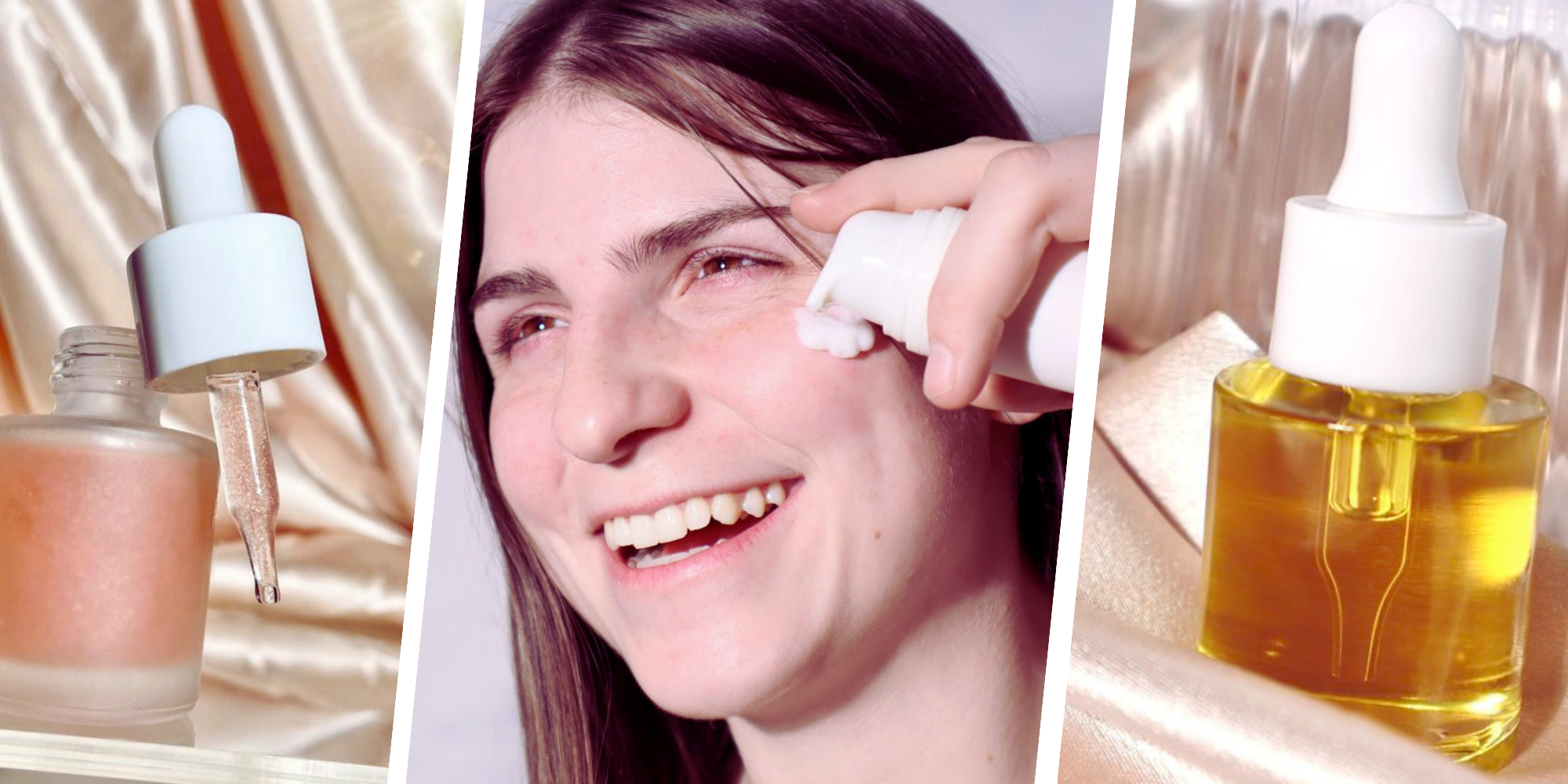
According to Grand View Research, the global market for white label (also known as private label) cosmetics was estimated at $1.01 billion in 2024 and is projected to grow to $1.57 billion by 2030. Skincare accounts for the highest revenue share, composing 41.7% in 2024.
White label is one of the most popular manufacturing starting points for brands because it’s affordable, less risky, and significantly faster than other manufacturing methods, and allows founders to get to market quickly. However, it also comes with trade-offs.
One of the most common mistakes beauty brands make isn’t choosing a white label manufacturer in itself - it’s failing to understand how that decision impacts the other areas of their business, especially marketing.
When you choose preformulated products, your marketing strategy can’t rely on promising unique formulas or brand new technology. Instead, success depends more on strong branding, clear positioning, compelling storytelling, and community building to appeal to your target customers.
That’s not to say you can’t talk about product quality. White label products are often excellent formulas that deliver real skincare results or strong color payoff. However, brands need to be realistic about where their unique selling point comes from.
When a formula is already on the market, your job is to convince your customer base why they should choose your brand over all the others selling a very similar product.
The Long Term Implications Of Choosing White Label
Another common oversight is failing to consider the long term implications of choosing white label over other methods.
Under white label, the formula intellectual property (IP) is typically owned by the lab. This means you can’t take the formula elsewhere and ask another manufacturer to recreate it, effectively locking you into working with that lab for as long as the product is sold.
Before partnering with a white label cosmetic manufacturer, it’s worth finding out whether they also offer any customized manufacturing options. This can make future scaling easier and prevent wasted time looking for a new manufacturer when you’re ready to custom create new products.
The most common customized method is custom formulating, which involves working with a team of highly trained chemists to make completely unique cosmetics from scratch.
While this offers the most creative freedom, it’s also the most expensive and time-intensive option due to the extensive research and development phase.
Some labs also offer custom product creation. Think of this method as the middle ground between white label and custom formulating. It involves adding a limited number of ingredients to a lab’s base formula. For skincare brands building a line around a specific hero ingredient, this can be a great option.
If you select the ingredient strategically, you can differentiate through your formula in a highly marketable way without having to invest in fully customized products.
At Innacos, we offer over 60 clean, cruelty-free, and sustainable skincare and color cosmetics products on a white label/bulk basis.
We also offer custom product creation and custom formulating services as you scale - and we have (as of February 2026) the most generous loyalty reward in the industry, with up to 200% of your formulating costs back in the form of manufacturing credits. Find the best manufacturing method for your brand by taking our quiz here.
Marketing can be tricky for first time founders - which is why we offer a full Build Your Own Brand course and consulting services on virtually any aspect of your business. Learn more about our consulting services here.
Mistake 2: Not Vetting Ingredient Quality And Ethical Alignment
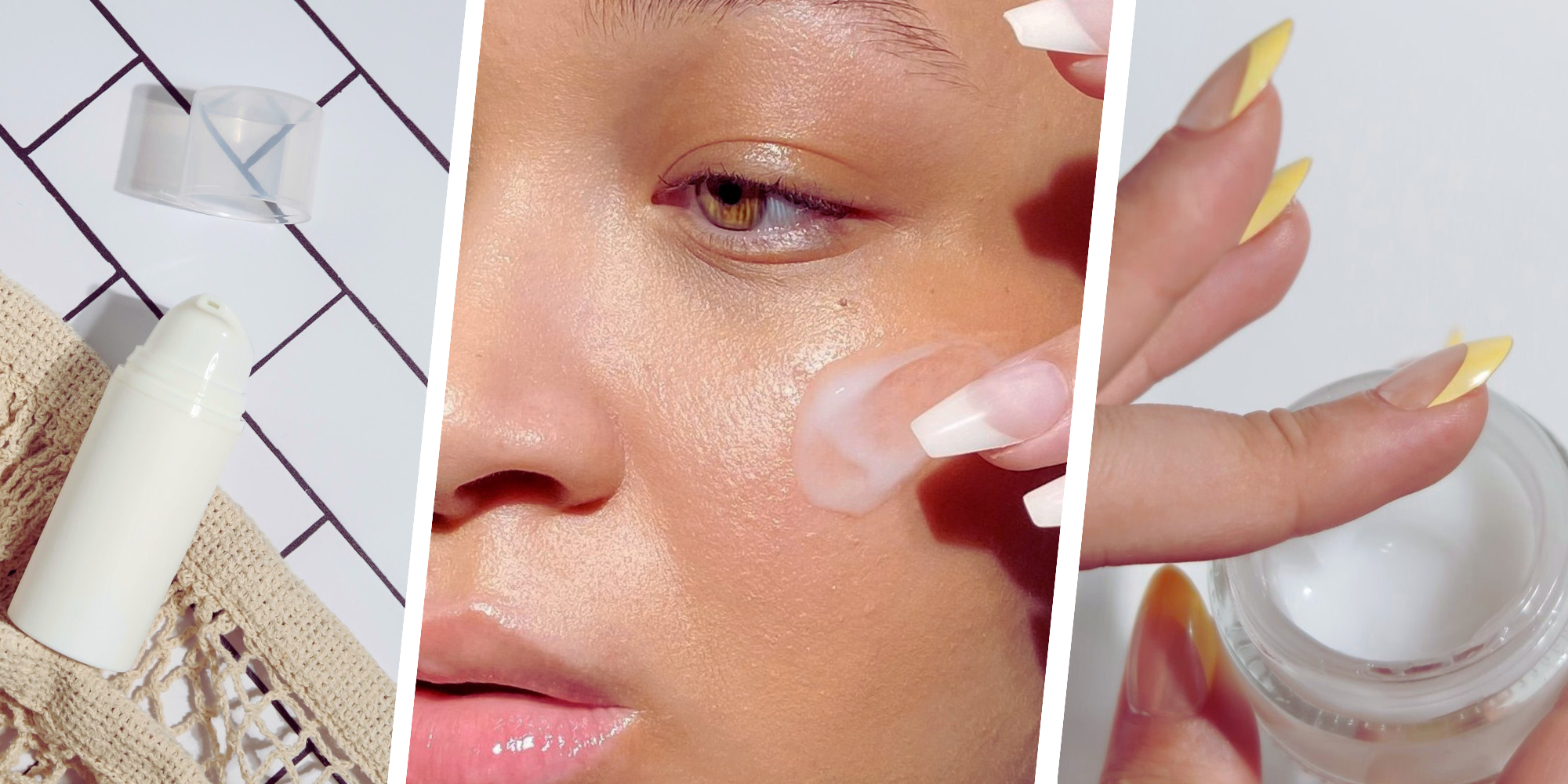
Another common mistake beauty brand owners make is failing to vet ingredient lists thoroughly.
Not all ingredients are equal. For example, there are six different types of vitamin C, spanning across a variety of price points, each with its own stability characteristics and performance strengths.
Understanding this kind of nuance is essential to ensure you choose high-quality products that offer good value for money.
Beyond performance, ingredients also need to align with your brand’s mission and ethical values.
Vegan brands need to confirm that there are no animal-derived ingredients like beeswax or carmine in the formula.
Brands positioned as clean need to check for potential ‘nasties’, including petroleum-based ingredients and silicones.
At Innacos, we’re experts at formulating high-quality, clean, cruelty-free, vegan, and sustainable cosmetics.
We clearly list the entire ingredients list and ethical standard for every single one of our formulated products on our website, and we organize our products by pricing tier to ensure we have options for brands of any size. Learn more about our ingredients on our samples pages, or look through our catalog for pricing information.
Mistake 3: Rushing The Sample Testing
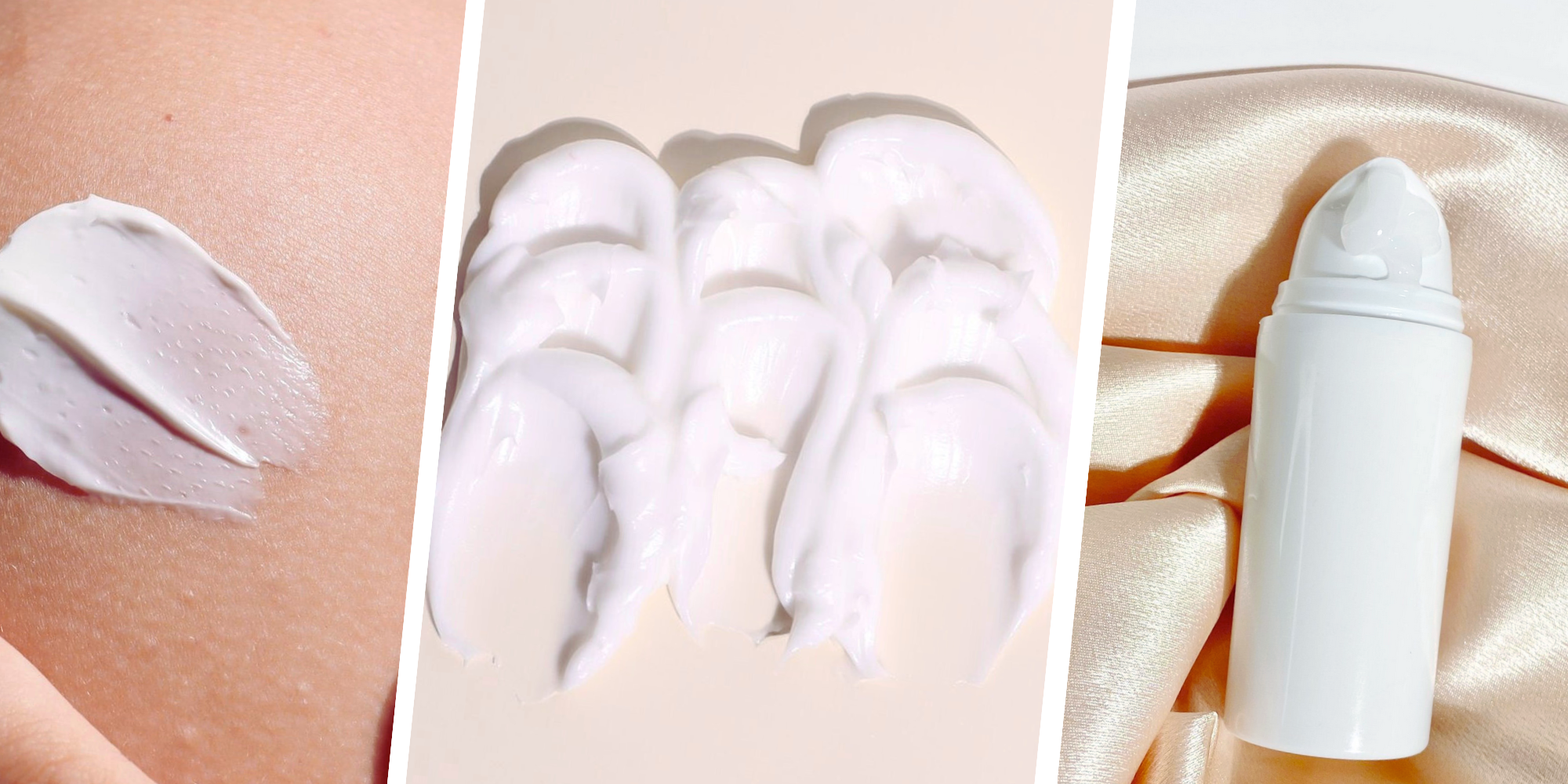
Testing product samples thoroughly is a crucial part of the process, yet it’s often rushed.
Some brands only test a formula a handful of times before approval, without giving color cosmetics proper wear tests or skincare products enough time to make a visible difference.
Skincare products ideally should be tested over 3-6 weeks to assess performance and visible skin results. Color cosmetics should undergo multiple full-day wear tests to evaluate longevity, texture, and comfort for 18+ hours.
Consider hosting small focus groups made up of your target demographic. Ask them to compare multiple formulas to identify strengths, weaknesses, and potential objections - this will make the product selection and marketing processes so much easier for your brand.
At Innacos, we’ve made it easy to order multiple samples of our white label products at affordable prices directly from our website here.
Mistake 4: Partnering With A White Label Cosmetic Manufacturer Without A Clear Business Plan
Partnering with a white label manufacturer without a clear business plan inevitably leads to avoidable mistakes.
A well-defined plan helps clearly define and communicate your exact requirements from day one, including the types of products you’re looking for, budget constraints, packaging expectations, and longer-term goals.
Entering a discovery call with this clarity makes selecting the right white label cosmetic manufacturer so much easier.
A full business plan is particularly important when it comes to the more technical aspects of running a cosmetics business, including all regulatory requirements.
For example, deciding to sell in the EU after products have already been selected can create major issues if the formulas aren’t EU-compliant.
With a clear plan in place, you know which questions to ask from the outset, making sure the lab in question sells formulas that align with your exact target audience and intended markets.
Not sure where to start with your business plan? At Innacos, we help guide you through the entire process. Stay tuned for our BYOB course, or access our full consulting services, where we can walk you through the entire business creation plan from day one. Additionally, we have plenty of free business advice directly on our website blog here.
In sum, the four most common mistakes brand founders make when choosing a white label cosmetic manufacturer are:
Mistake 1: Choosing white label manufacturing without adjusting your marketing strategy
Mistake 2: Not vetting ingredient quality and ethical alignment
Mistake 3: Rushing the sample testing
Mistake 4: Partnering with a white label cosmetic manufacturer without a clear business plan
Looking for a white label cosmetic manufacturer for your business?
At Innacos, we’re the go-to clean, cruelty-free, and sustainable lab for working with first time founders and home-to-lab brands.
Get in touch via email: customerservice@innacos.com or call: (812) 329-1105 to learn more.